GAP43 Polyclonal antibody proteintech 16971-1-AP
$449.00
In stock
SKU
16971-1-AP
Axonal membrane protein GAP 43, Axonal membrane protein GAP-43, B 50, growth associated protein 43, Growth-associated protein 43
| Host / Isotype: Rabbit / IgG | Class: Polyclonal |
| Reactivity: Human, Mouse, Rat And More (5) | Immunogen: CatNo: Ag9294 Product name: Recombinant human GAP43 protein Source: e coli.-derived, PET28a Tag: 6*His Domain: 1-238 aa of BC007936 Sequence: MLCCMRRTKQVEKNDDDQKIEQDGIKPEDKAHKAATKIQASFRGHITRKKLKGEKKDDVQAAEAEANKKDEAPVADGVEKKGEGTTTAEAAPATGSKPDEPGKAGETPSEEKKGEGDAATEQAAPQAPASSEEKAGSAETESATKASTDNSPSSKAEDAPAKEEPKQADVPAAVTAAAATTPAAEDAAAKATAQPPTETGESSQAEENIEAVDETKPKESARQDEGKEEEPEADQEHA Predict reactive species |
| Applications: WB, IHC, IF/ICC, IF-P, IP, CoIP, ELISA | Observed Molecular Weight: 238 aa, 25 kDa |
| Formulation: PBS, Azide, Glycerol | GenBank Accession Number: BC007936 |
| Conjugate: Unconjugated | Gene Symbol: GAP43 |
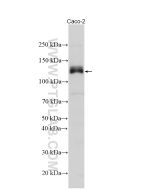
| Tested Applications: Positive WB detected in | Gene ID (NCBI): 2596 |
| Application: Western Blot (WB) | RRID: AB_2278881 |
| Dilution: WB : 1:2000-1:10000 | Conjugate: Unconjugated |
| Tested Reactivity: Human, Mouse, Rat | Form: Liquid |
| Host / Isotype: Rabbit / IgG | Background Information: The neuronal growth-associated protein GAP43 is known as neuromodulin, B-50, P-57, F1, and pp46. Deficiency of GAP43 in mice results in death early in the postnatal period. GAP43 is one of the main substrates for protein kinase C in the brain. GAP43 is an intracellular growth-associated protein that appears to assist neuronal pathfinding and branching during development and regeneration and may contribute to presynaptic membrane changes in the adult, leading to neurotransmitter release, endocytosis, and synaptic vesicle recycling, long-term potentiation, spatial memory formation, and learning. The predicted molecular weight of about 25 kDa is much lower than the apparent observed molecular weight of 43 kDa on SDS-PAGE gels, and this occurs because the highly charged nature of GAP43 causes it to bind less than the average amount of SDS per amino acid, and because the protein has an elongated structure. |