PPARA Monoclonal antibody proteintech 66826-1-Ig
$449.00
In stock
SKU
66826-1-Ig
hPPAR, NR1C1, PPAR, PPAR alpha, PPARA, PPARα
| Host / Isotype: Mouse / IgG1 | Class: Monoclonal |
| Reactivity: Human, Rat And More (7) | Immunogen: CatNo: Ag7896 Product name: Recombinant human PPARA protein Source: e coli.-derived, PGEX-4T Tag: GST Domain: 1-258 aa of BC000052 Sequence: MVDTESPLCPLSPLEAGDLESPLSEEFLQEMGNIQEISQSIGEDSSGSFGFTEYQYLGSCPGSDGSVITDTLSPASSPSSVTYPVVPGSVDESPSGALNIECRICGDKASGYHYGVHACEGCKGFFRRTIRLKLVYDKCDRSCKIQKKNRNKCQYCRFHKCLSVGMSHNAIRFGRMPRSEKAKLKAEILTCEHDIEDSETADLKSLAKRIYEAYLKNFNMNKVKARVILSGKASNNPVGVCGCSGFSWQHGTSVVEDD Predict reactive species |
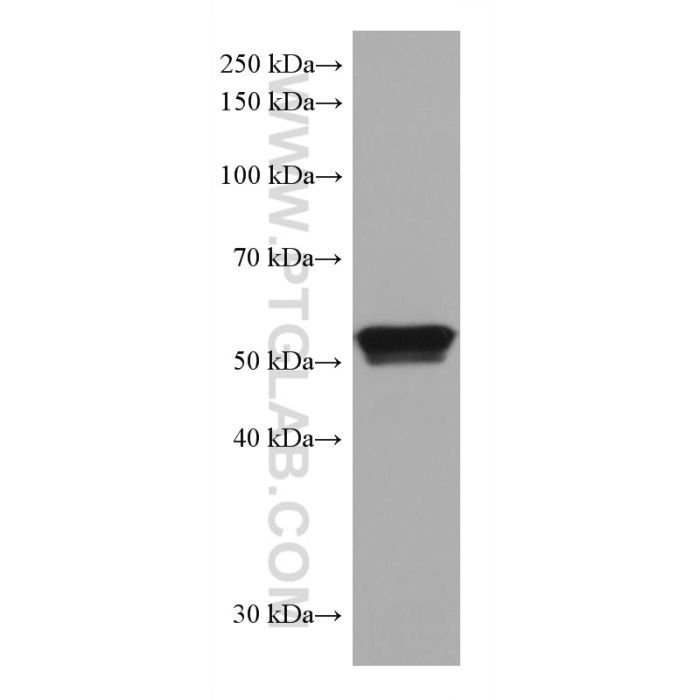
| Applications: WB, IHC, IF, CoIP, ChIP, ELISA | Observed Molecular Weight: 52 kDa |
| Formulation: PBS, Azide, Glycerol | GenBank Accession Number: BC000052 |
| Conjugate: Unconjugated | Gene Symbol: PPARA |
| Tested Applications: Positive WB detected in | Gene ID (NCBI): 5465 |
| Application: Western Blot (WB) | RRID: AB_2882169 |
| Dilution: WB : 1:1000-1:6000 | Conjugate: Unconjugated |
| Tested Reactivity: Human, Rat | Form: Liquid |
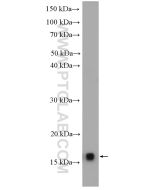
| Host / Isotype: Mouse / IgG1 | Background Information: Peroxisome proliferator-activated receptor alpha (PPARA) is a ligand-activated transcription factor that belongs to the PPAR nuclear receptor superfamily. PPARA is essential in the modulation of lipid transport and metabolism, mainly through activating mitochondrial and peroxisomal fatty acid β-oxidation pathways. In addition, PPARA seems to decrease inflammation mainly through direct interaction with NF-κB, causing inhibition of its signaling pathway or reducing the activated levels of NF-κB and subsequent inflammation. Furthermore, PPARA was implicated in the attenuation of oxidative stress in alcoholic liver disease when treated with polyenephosphatidylcholine through downregulation of ROS-generating enzymes such as ethanol-inducible cytochrome P450 2E1 (CYP2E1), acyl-CoA oxidase, and NADPH oxidase. PPARA exists two isoforms and molecular weight of PPARA isoforms are 52 kDa and 22 kDa. The ability of a retinoid X receptor (RXR) to heterodimerize with many nuclear receptors, including LXR, PPAR, NGF1B and RAR, underscores its pivotal role within the nuclear receptor superfamily. Among these heterodimers, PPAR:RXR is considered an important signalling mediator of both PPAR ligands, such as fatty acids, and 9-cis retinoic acid (9-cis RA), an RXR ligand. (PMID: 15103326 ). PPARA can form Heterodimer with RXRA and molecular weight of Heterodimer is about 110 kDa. |